
What to Expect on a Small Group Tour of Guatemala (And Why Smaller Is Always Better)
By Arturo Rivera | Arturo Rivera Photography
Category: Guatemala Travel, Travel Tips, Small Group Tours
Reading time: ~5 minutes
There's a version of group travel that most people have experienced — and most people don't want to repeat.
The bus that fits 40. The guide holding a flag. The fifteen minutes at each stop before you're herded back to your seat. You come home having technically seen a place without ever really having been there.
That's not what we do.
When I started leading tours through Guatemala, I made one rule that has never changed: no more than 10 travelers per departure. Not 12. Not 15 on a slow month. Ten. And in practice, most groups are 6 to 8 people.
Here's why that matters — and what a 10-day small group journey through Guatemala actually looks and feels like.
The Difference Small Makes
In a group of 40, you get logistics. In a group of 8, you get a trip.
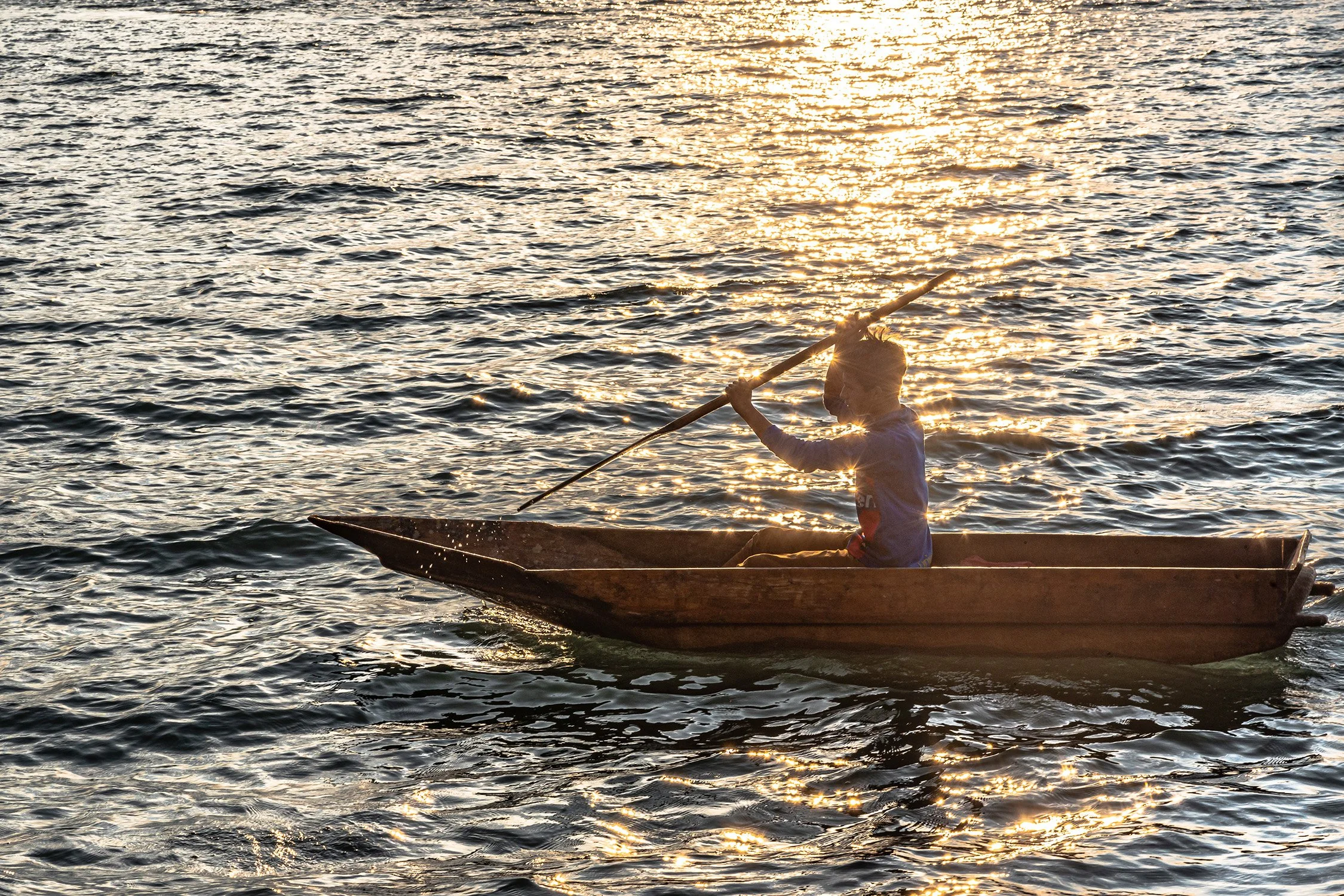
Decisions are flexible. If everyone wants to stay an extra hour at the Chichicastenango market, we stay. If the light on Lake Atitlán is extraordinary at 6am and the group wants to catch it, we're on the water at 6am. No schedule is more important than the experience in front of us.
You also get to know the people you're traveling with. By Day 3, a small group almost always finds its rhythm — shared meals, inside jokes, the kind of easy companionship that makes a trip feel like more than just tourism. Some of the friendships that have started on these tours are still going years later.
And from my perspective as the photographer, a small group means I can actually give each person real attention. I know your name, your story, what makes you light up. That's what makes the difference between a photo that looks good and a photo that looks like you.
Day by Day: What the 10 Days Actually Feel Like
Days 1–3: Antigua — Slow Down and Arrive
The first day is always about arriving — not just physically, but mentally. Antigua has a way of doing this naturally. The city is beautiful enough that you don't feel pressure to rush anywhere. We share a welcome dinner, walk the cobblestones, watch the sunset paint Volcán Agua pink.
Days 2 and 3 go deeper. The market at dawn. The ruins of colonial churches. The neighborhoods that don't appear in guidebooks. Antigua rewards people who slow down, and we always slow down.
Days 4–5: Acatenango — The Hardest and Best Thing
I won't pretend Acatenango is easy. It's a full day of hiking at altitude, and the last section — through open volcanic terrain with loose ash underfoot — asks something real of you physically.
But I have never, in years of leading this trip, had a single person reach base camp and think it wasn't worth it.
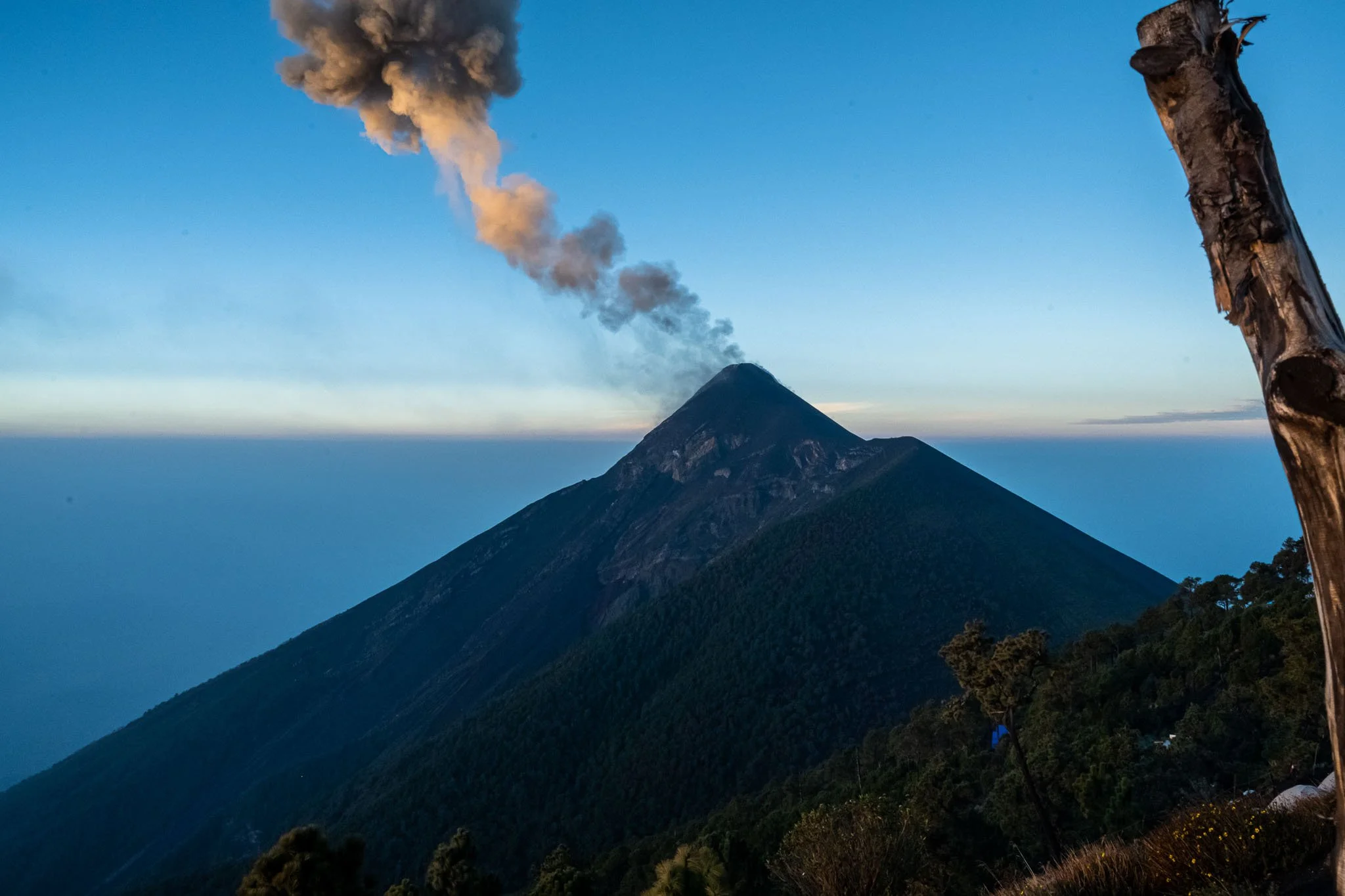
The moment Fuego erupts across the valley — that deep percussive boom you feel in your chest before you hear it — changes something. You remember why you travel. You remember what it feels like to be genuinely astonished.
Sleeping at base camp, waking before dawn, watching the sky turn gold above the clouds: this is the moment most travelers say defined the trip.
Days 6–7: Lake Atitlán — Beauty Without Effort
After Acatenango, the lake feels like a reward. And it is.
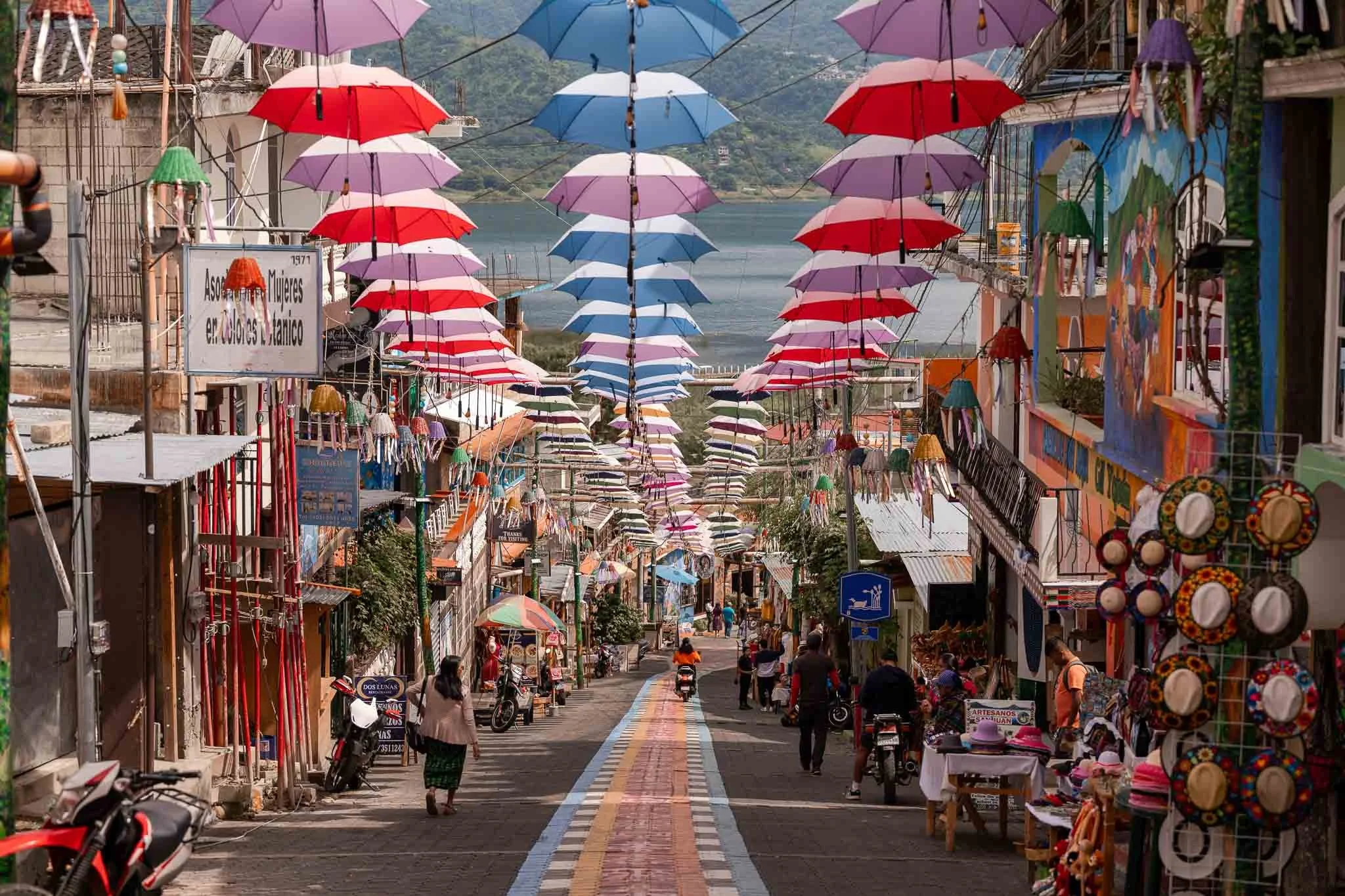
We arrive by shuttle and immediately slow back down. Water taxis between villages. Coffee on a terrace above the water. The afternoon light on the mountains. San Juan la Laguna's painted murals and cooperative weavers. San Antonio Palopó's extraordinary traditional dress against the blue of the lake.
Lake Atitlán is the kind of place that makes you reconsider your plans. Plenty of travelers have extended their stay here after the tour ends.
Days 8–10: El Paredon — The Pacific Finale
Most Guatemala itineraries don't make it to the coast. Ours always does.
El Paredon is a surf village that feels like a secret — black sand, powerful waves, mangrove lagoons full of birds, and some of the most dramatic sunsets I've ever photographed. We take surfing lessons (no experience needed), explore the mangroves by boat, and close out the trip with a farewell dinner on the beach.
It's a deliberate choice to end here. After the intensity of Acatenango and the beauty of Atitlán, El Paredon gives everyone space to exhale before heading home.



What People Are Usually Surprised By
How safe it feels. The areas we visit — Antigua, the western highlands, the Pacific coast — are well-traveled and welcoming. As a Guatemalan local, I know these places and the people in them. Travelers who arrive nervous almost always leave wondering what they were worried about.
How affordable Guatemala is. Once you've paid for the tour, daily expenses — coffee, snacks, a beer at sunset — are remarkably low. Guatemala is genuinely one of the best-value travel destinations in the world.
How much they get out of the photos. This is the one I hear most. People who joined without particularly caring about the photography come home and tell me the gallery is the thing they treasure most from the whole experience.
Is This Trip Right for You?
If you want to feel Guatemala rather than just see it — if you want to come home with real memories, real friendships, and real photographs — then yes.
If you need a packed schedule, luxury hotels at every stop, or more than 10 minutes to decide where to eat dinner, this might not be your trip.
But if you're reading this and something in you is leaning forward, that's usually a good sign.
Arturo Rivera is a Guatemalan photographer and tour guide who has been leading small group journeys through Guatemala since [2024]. Questions? WhatsApp: +502 4218 6125