
How Photography Tells the Story of Humanitarian Work — And Why the Right Images Change Everything
By Arturo Rivera | Arturo Rivera Photography Category: Documentary Photography, Humanitarian Work, Visual Storytelling Reading time: ~6 minutes
A photograph doesn't ask anything of you.
It doesn't need you to read a report, understand a policy, or follow a thread of statistics. It simply shows you something true — and in the space of a second, it closes the distance between a person's reality and your own.
This is why photography is one of the most powerful tools available to organizations doing humanitarian work. And it's why I've dedicated a significant part of my career to helping medical missions, relief organizations, and community initiatives tell their stories through images.
The Gap Between Impact and Visibility
Most humanitarian organizations face the same problem: the work they do is extraordinary, but the people who need to know about it — donors, partners, supporters — never see it.
A team of doctors travels to a remote community to provide medical care that wouldn't otherwise exist. A relief organization rebuilds after a disaster in a place the news cameras have long since left. A local initiative works quietly for years in a community with no internet, no press, no platform.
The impact is real. The need is urgent. But without images that make that reality visible — that bring the faces, the conditions, the moments of care and dignity into the world — it's very hard to sustain the funding and support that keeps these efforts alive.
This is the gap I help close.
What Documentary Photography Does for an Organization
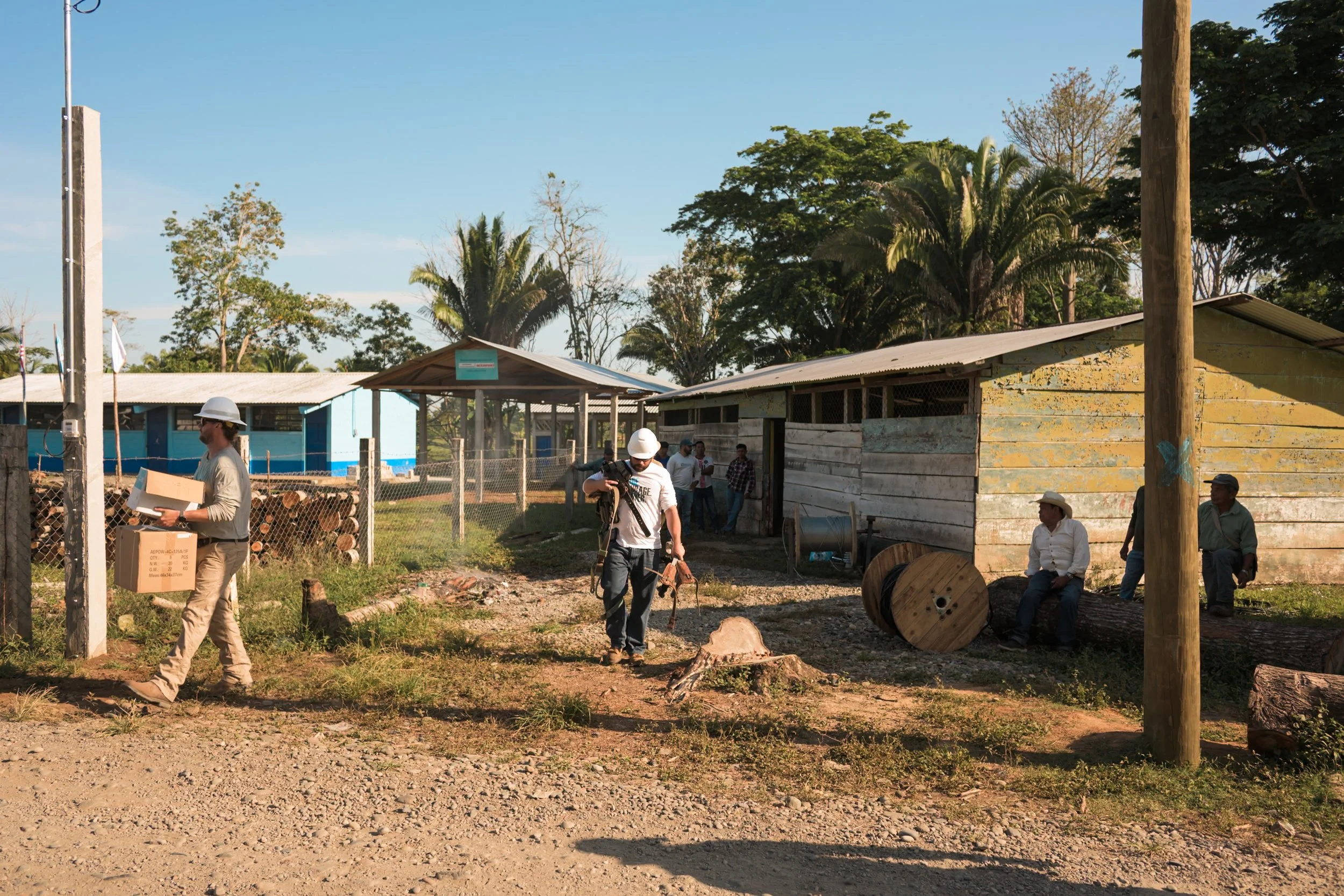
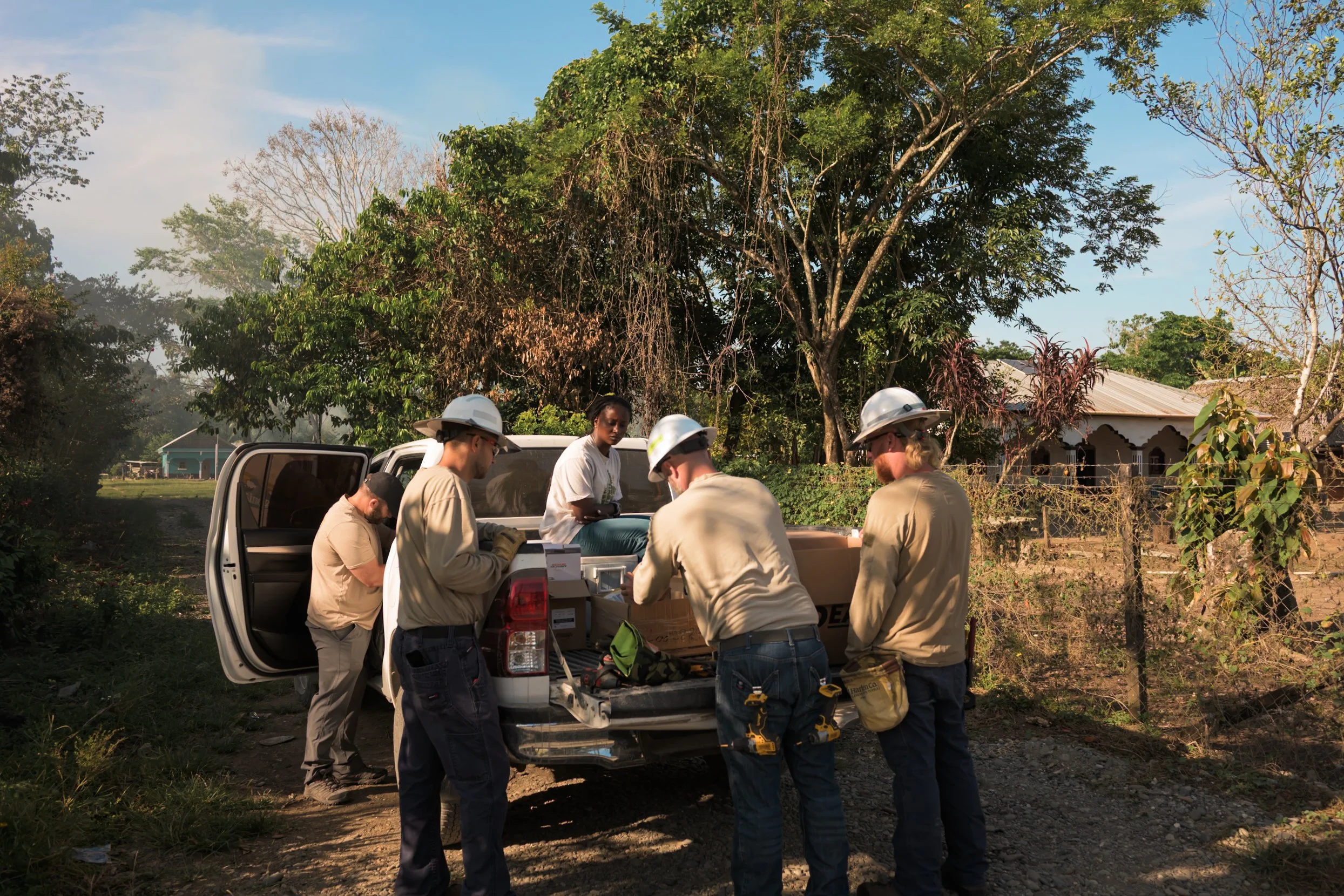
When I travel with a humanitarian team — whether it's a medical mission in a remote highland community, a relief effort in the aftermath of a natural disaster, or a long-term development organization working in an underserved area — I'm not there to take pretty pictures.
I'm there to witness. To document. To find the images that tell the truth of what this organization does and why it matters.
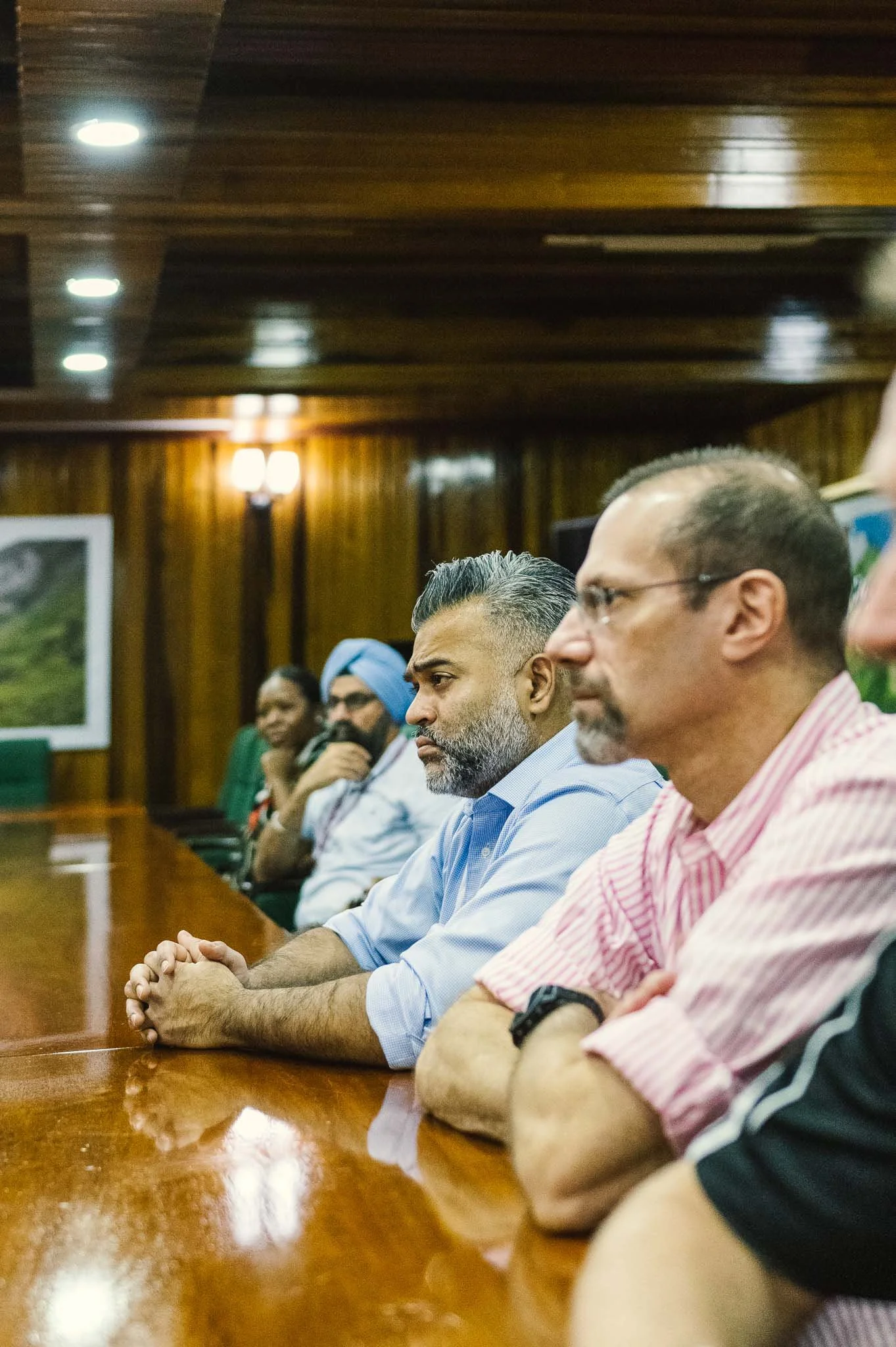
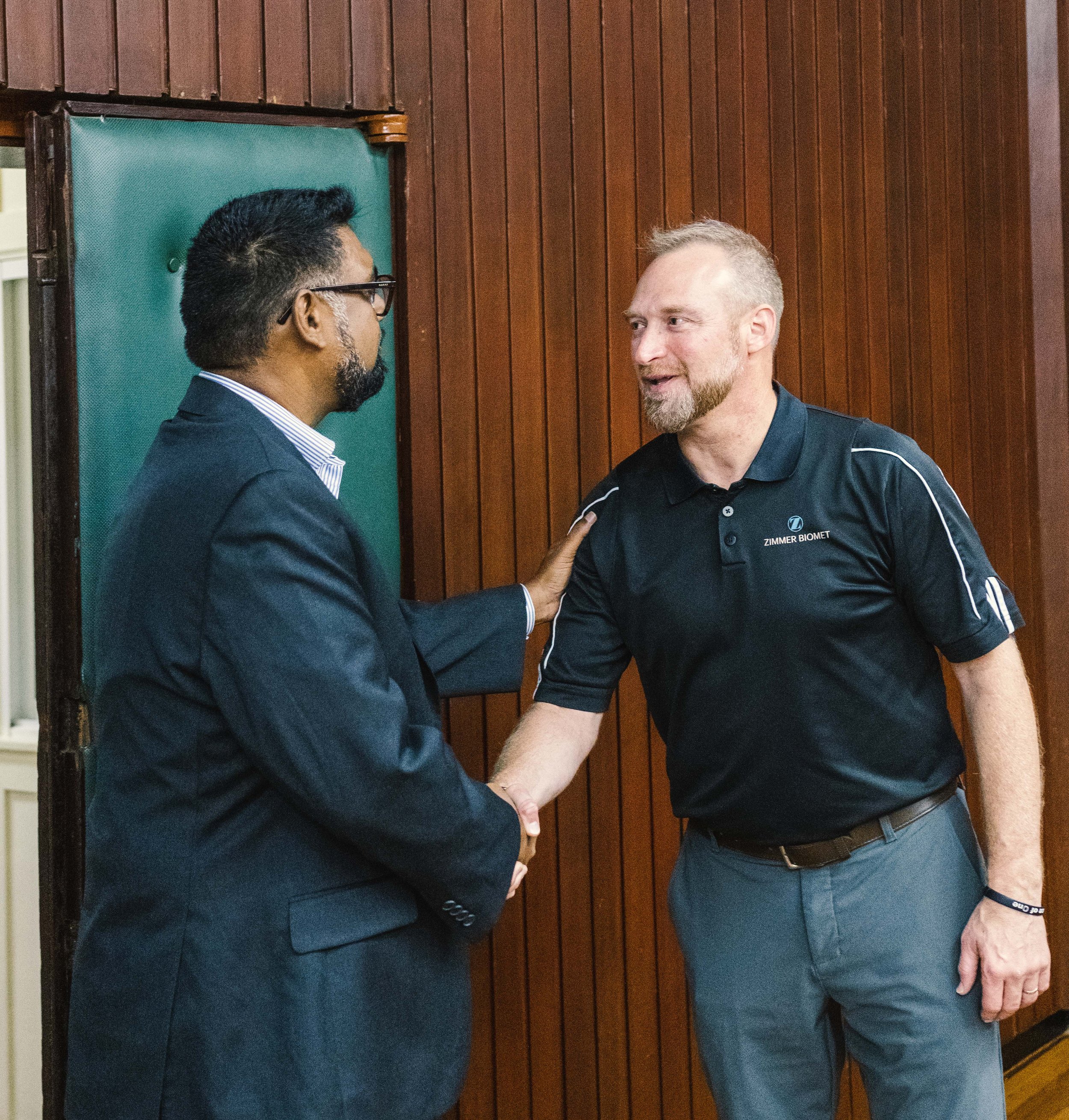
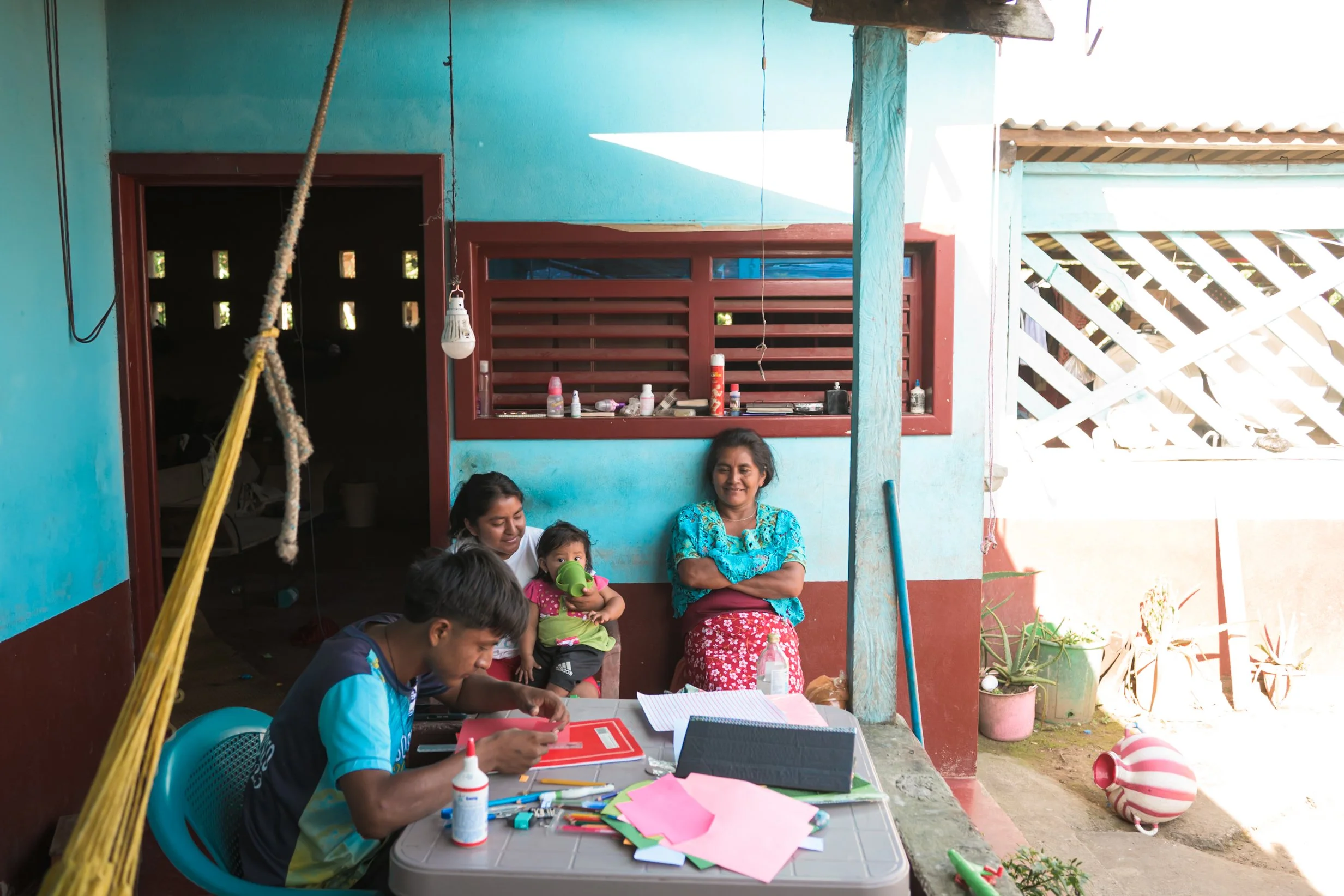
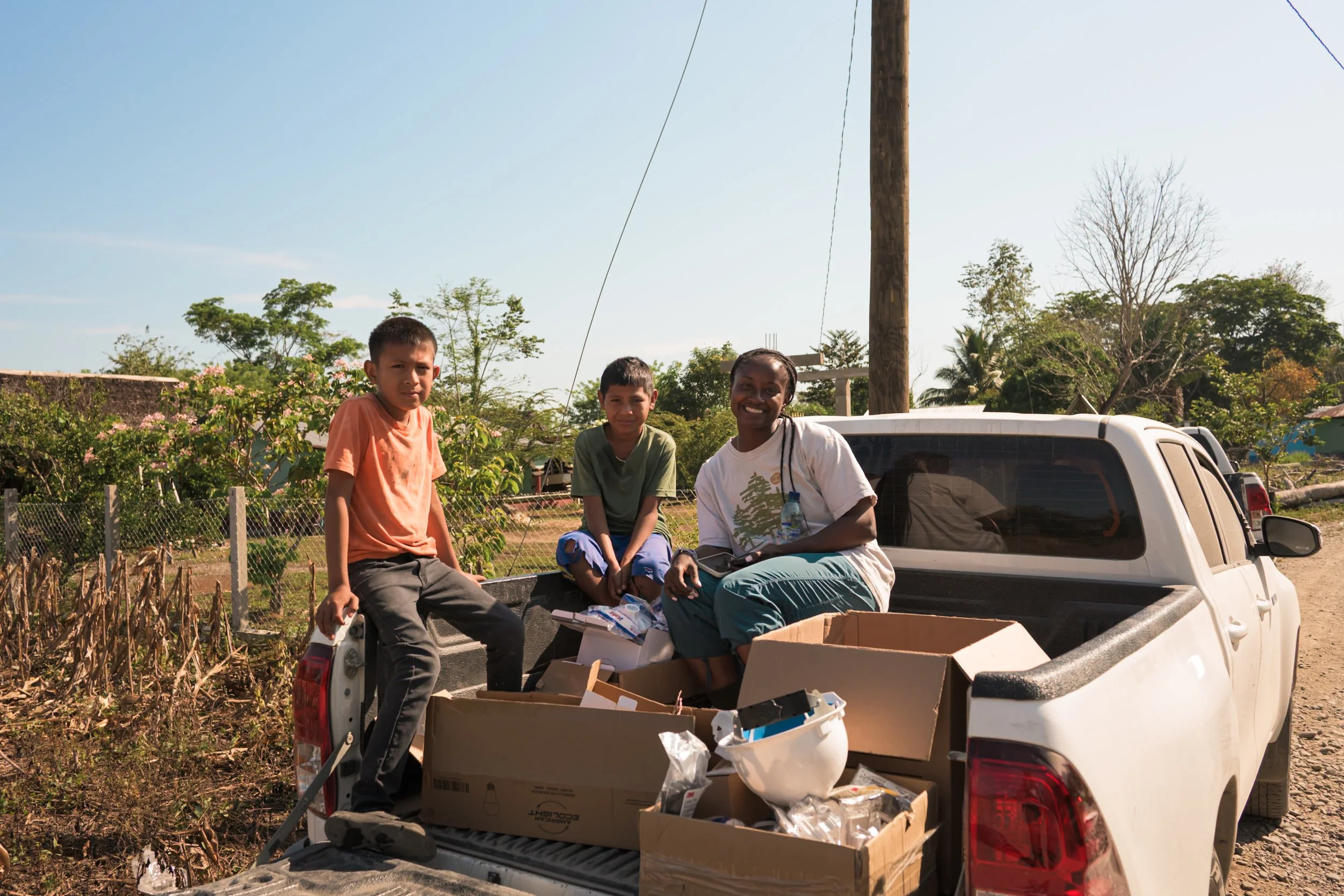
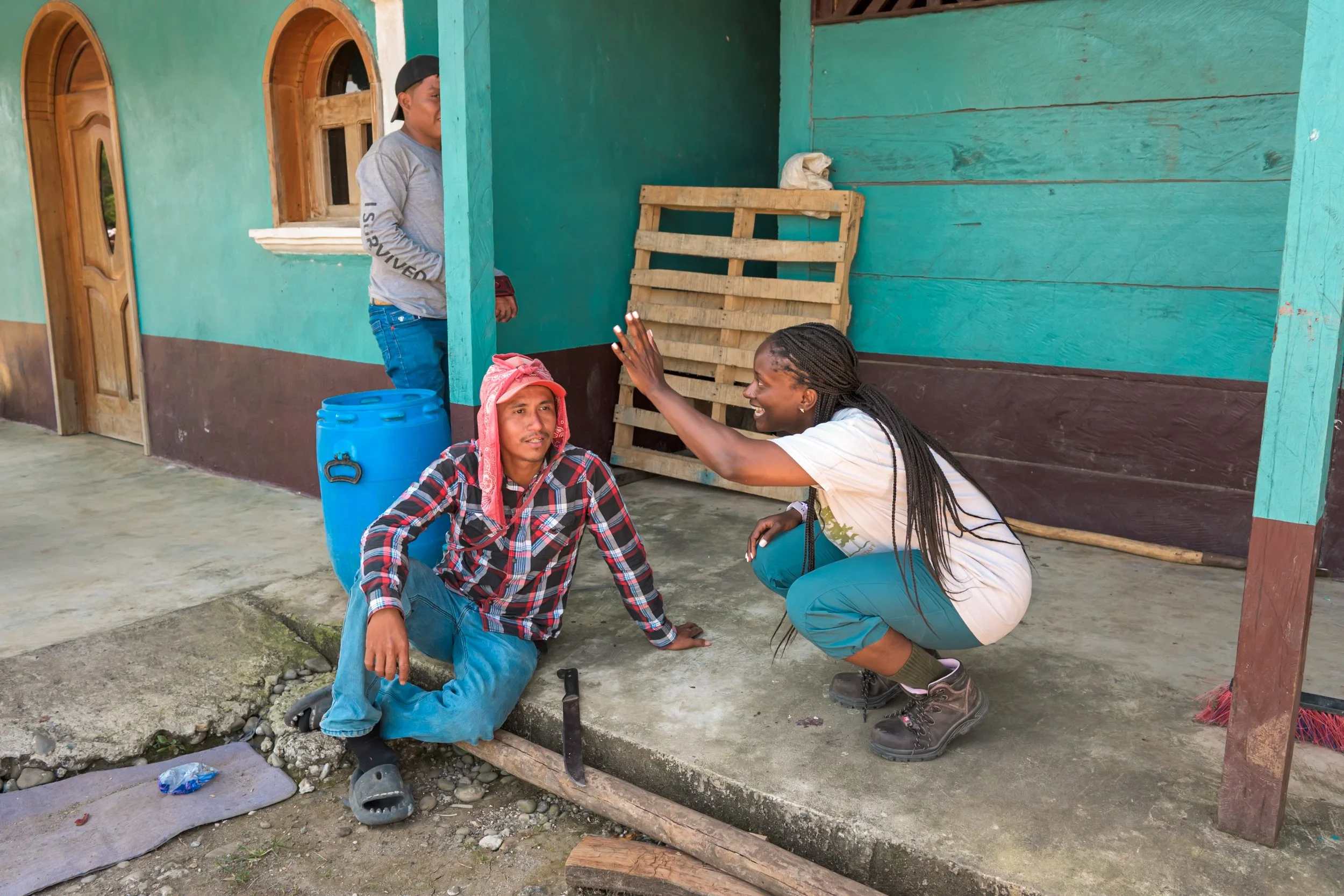
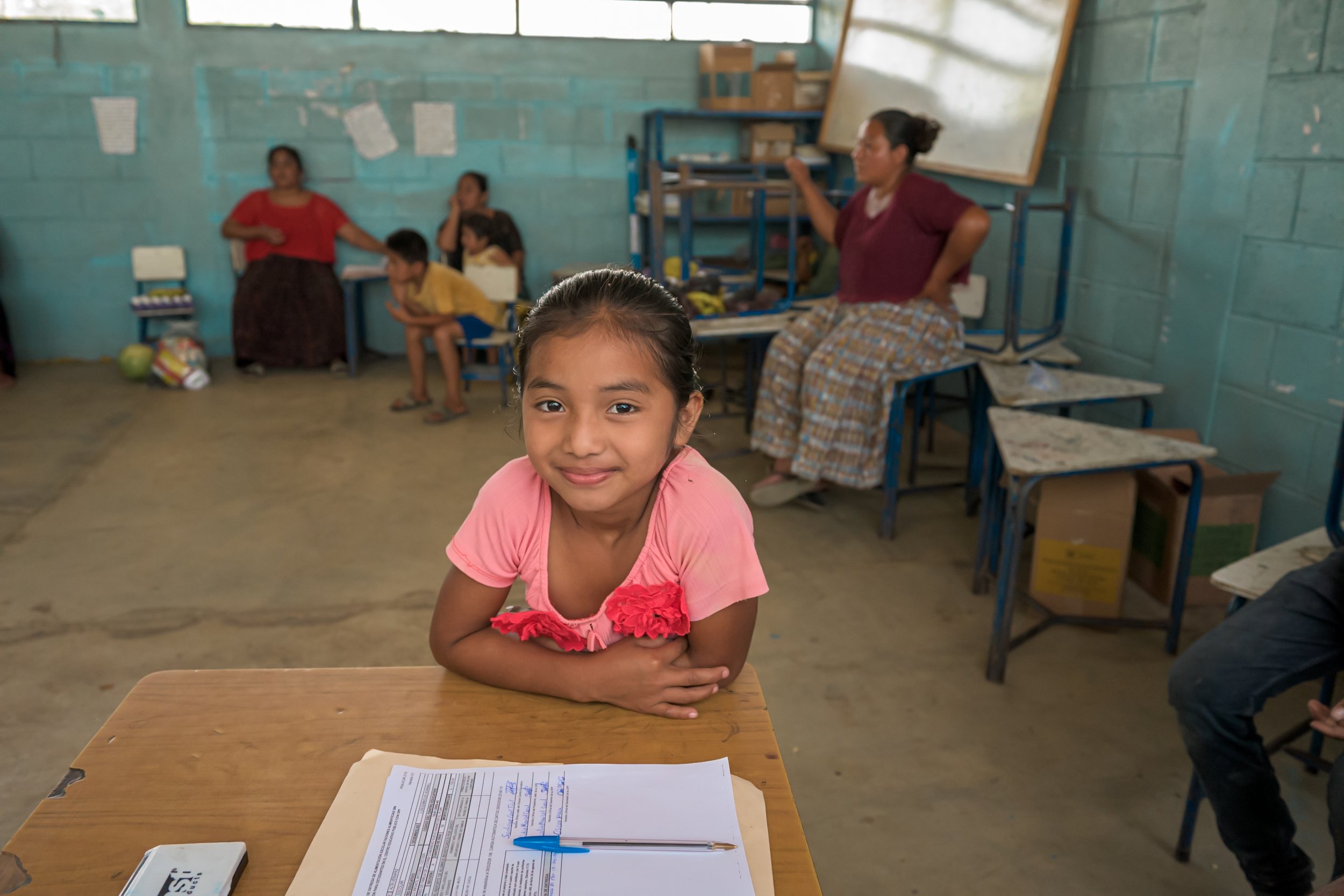
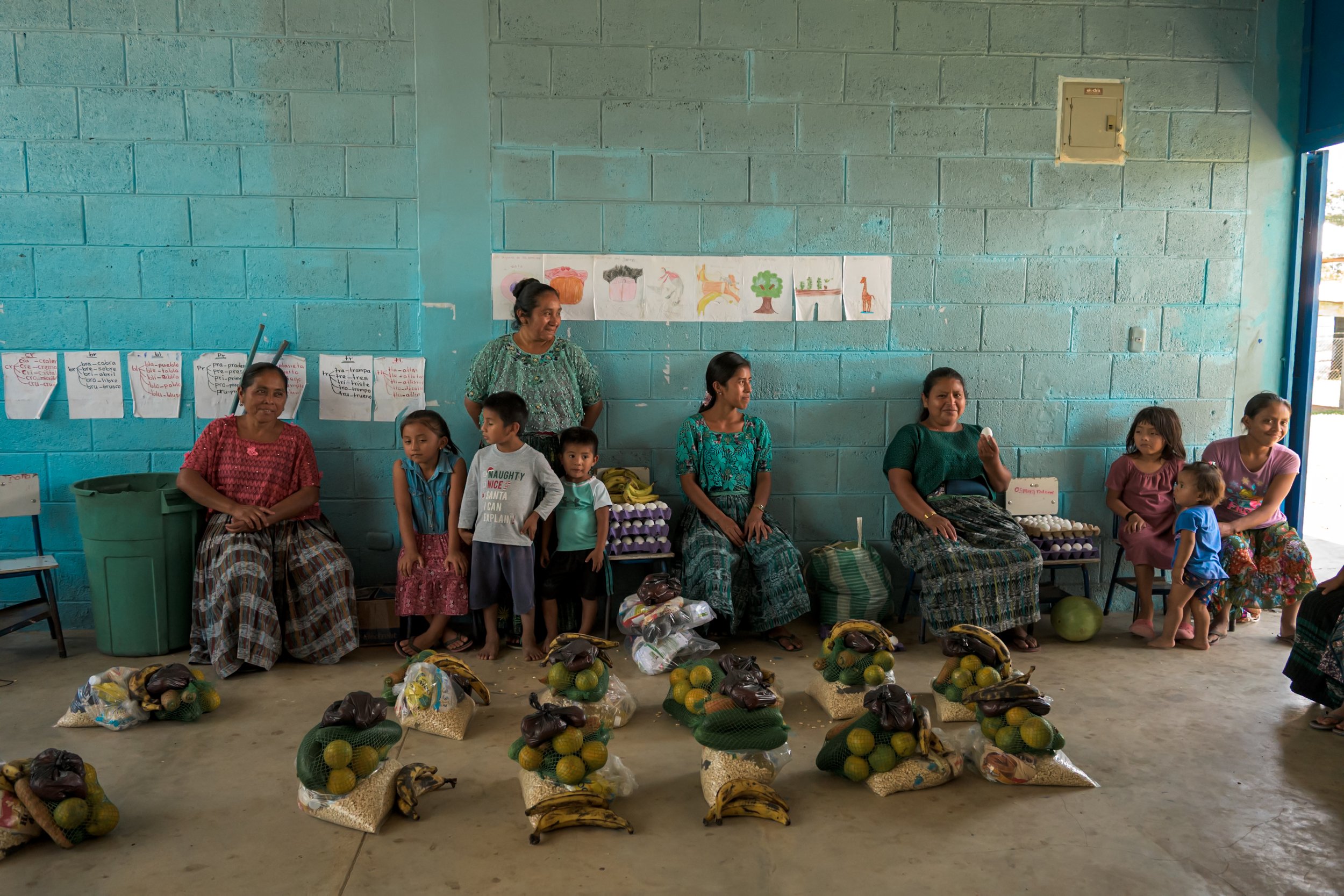
That means photographing the work itself: the doctor examining a child in a makeshift clinic, the moment a family receives aid they've been waiting weeks for, the volunteer who has flown across the world and is now covered in dust and completely in their element.
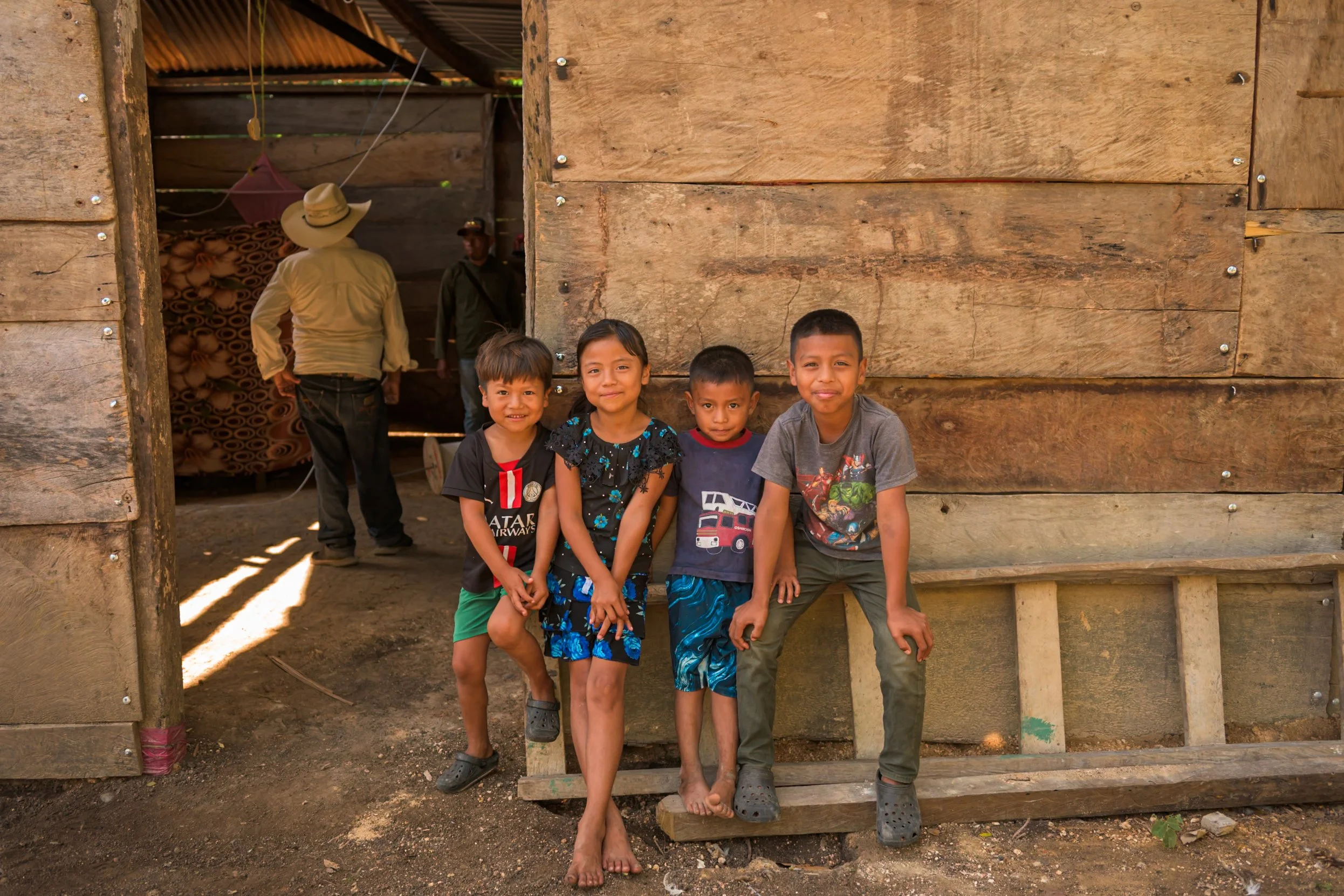
But it also means photographing the quieter things. The hands of an elderly man receiving care for the first time in years. A child watching the team arrive, curious and uncertain. The moment at the end of a long day when the team sits together in the dark, exhausted and grateful.
These are the images that move donors. Not the statistics — the faces.




The Responsibility of This Work
I want to be honest about something: documentary photography in humanitarian contexts carries a real ethical weight.
The people I photograph are often in vulnerable situations. They didn't ask to be subjects. They are trusting the organizations I work with — and by extension, trusting me — to represent them with dignity.
This shapes everything about how I approach this work. I never photograph anyone without consent, and in remote communities where language barriers exist, I work carefully with local staff and translators to make sure that consent is genuine and informed. I think carefully about which images to share and which to withhold. I ask myself, with every frame: does this image honor the person in it?
There's a long history of humanitarian photography that has reduced real human beings to symbols of suffering — images designed to shock rather than to connect. I've always believed there's a better way. You can tell a difficult truth and still treat your subject as a full human being. In fact, I think those are the images that work best — not because they're more comfortable, but because they're more honest.
How the Right Images Raise More Funds
The research on this is consistent: visual storytelling significantly outperforms statistics in driving charitable giving.
A single, well-composed photograph with a specific human story attached to it will generate more donations than a report full of data. This isn't a criticism of data — data matters enormously in this work. But data alone doesn't move people to open their wallets. Stories do. Faces do.
When I deliver a set of documentary images to an organization, I think about the full range of uses those images will serve:
Fundraising campaigns — a lead image that stops someone mid-scroll and makes them read the appeal
Annual reports — images that show donors exactly where their money goes
Social media — consistent, authentic visual content that builds trust over time
Grant applications — visual evidence of work and impact that words alone can't convey
Presentations and events — images that make a room go quiet
A strong documentary photography project is not a one-time deliverable. It's a visual library that an organization draws from for years.
What Makes a Documentary Photography Partnership Work
The best results I've seen come from organizations that understand photography as an investment rather than an expense — and that bring me in as a genuine collaborator rather than a contractor hired to tick a box.
That means involving me early. Telling me about the work, the community, the specific moments and stories you want to capture. Giving me time on the ground — not a rushed two-hour visit, but enough days to build trust with the people I'm photographing. Letting the story develop rather than directing it.
The organizations I've worked with that approach it this way consistently come back with images they use for years. Not because I'm particularly talented, but because trust takes time — and the images that come from trust are the ones that change minds and open hearts.
Working With Me on Your Organization's Story
If you lead or work with a humanitarian organization — a medical mission, a relief effort, a development initiative — and you need someone to document your work with honesty and care, I'd like to talk.
I work with organizations of all sizes, from small faith-based missions to larger NGOs operating across multiple countries. Every engagement begins with a conversation about your work, your audience, and what you need the images to do.
Get in touch to discuss your project →
Arturo Rivera is a documentary and humanitarian photographer based in Guatemala City. He has worked with medical missions, relief organizations, and community initiatives across Latin America and beyond.
Email: arturoriveraphoto@gmail.com | WhatsApp: +502 4218 6125